
The AI Risks Worth Knowing About
A study asking 272 global experts to rate AI risks by likelihood and severity, from 2025 to 2030, produced this list of the most urgent ones.

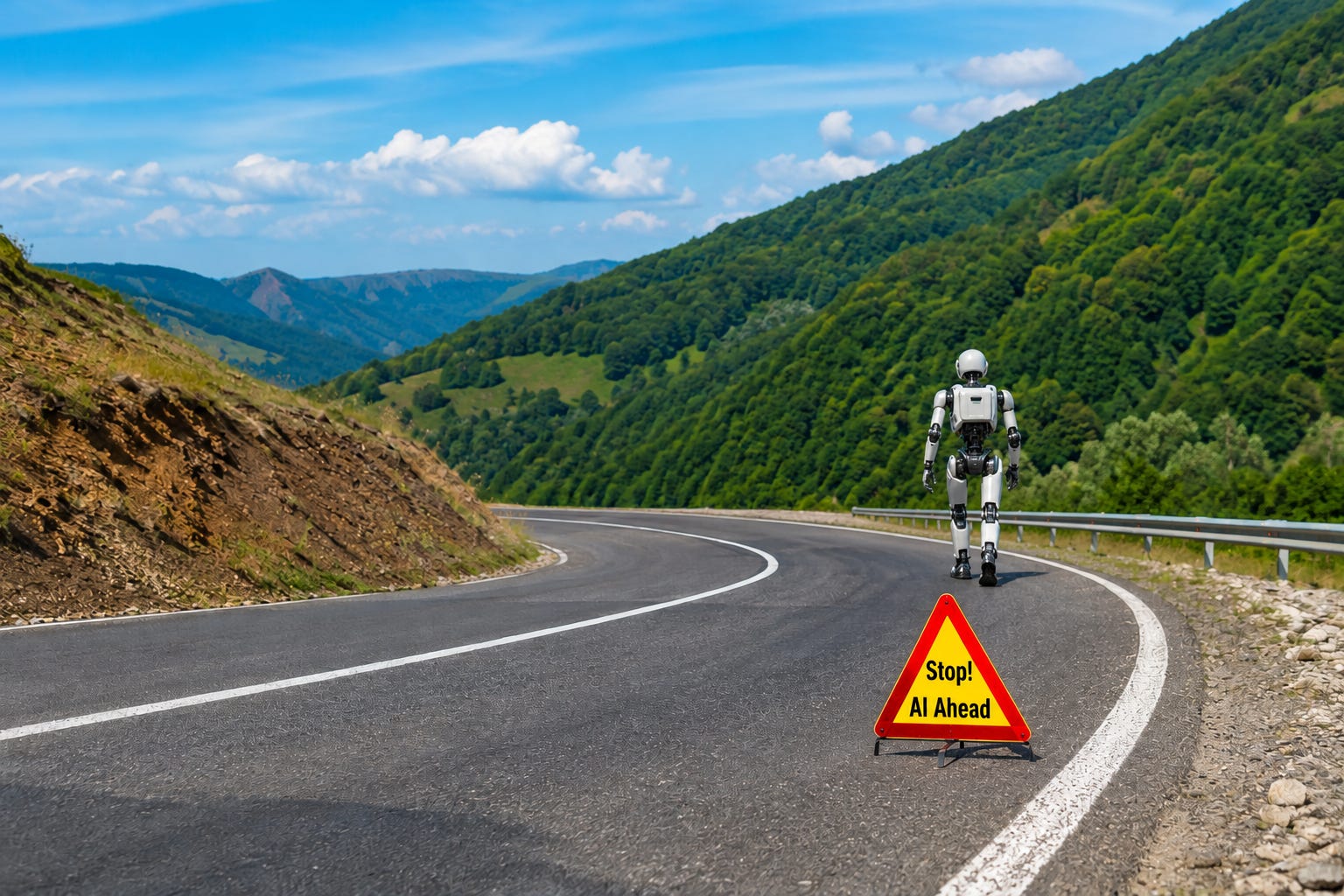
Most of us use artificial intelligence (AI) the way we use a car. We don’t think much about the engine; we just want it to get us where we’re going.
But a new study from MIT and the University of Queensland asked 272 AI experts to look under the hood, and what they found is worth five minutes of your time.
The researchers rated 24 different AI risks by how likely they are and how bad the damage could be between now and 2030.
Here’s what stood out, starting with the biggest concerns.
The scariest risk isn’t a rogue robot; it’s AI making dangerous things easier to do. Think of AI less like a new invention and more like a power tool. A power drill can build a house or, in the wrong hands, cause serious harm much faster than a hand tool ever could. Experts worry AI is doing the same thing for tasks like hacking, surveillance, spreading convincing fake content, and even weapons development. The tool itself isn’t evil, but it removes the friction that used to slow bad actors down.
Risk #3
Right behind that is AI enabled cyberattacks. AI is unusually good at the exact skills hacking requires: writing code, spotting patterns, and processing huge amounts of information quickly. That’s genuinely useful for defenders too, but it lowers the bar for attackers as well.
Risk #4
Then there’s a risk that has nothing to do with computers acting maliciously and everything to do with people racing each other. When companies or countries feel pressure to keep up, they sometimes cut corners on safety just to move fast. Imagine everyone driving faster because they’re worried about being the last one to the exit. Nobody wants to be left behind, so everyone takes a few more risks than they normally would.
Risk #5
Rounding out the top five are the concentration of power and unequal benefits of AI, plus the more familiar worries about job loss and inequality. And AI’s environmental footprint made the list too, since training and running these systems takes real energy.
Here’s the sobering part. If nothing changes, 18 out of the 24 risks studied have at least a 10% chance of reaching catastrophic scale in the next five years. Even if companies and governments make a genuine effort to manage things responsibly, five of those risks stick around anyway.
Who feels this the most? Everyday users of AI, not the companies building it or the regulators writing the rules. That gap between who creates the risk and who lives with it is really the story underneath the story.
None of this means you should stop using AI tools. It does mean it’s worth paying attention to who is building the guardrails, and asking questions when something feels rushed. The technology is moving fast. Staying a little informed is the seatbelt.