The Coming Polarization Of The Workforce
We're rapidly approaching a future where job security will depend not only on performance but also on skillset, industry, and, most importantly, adaptability.

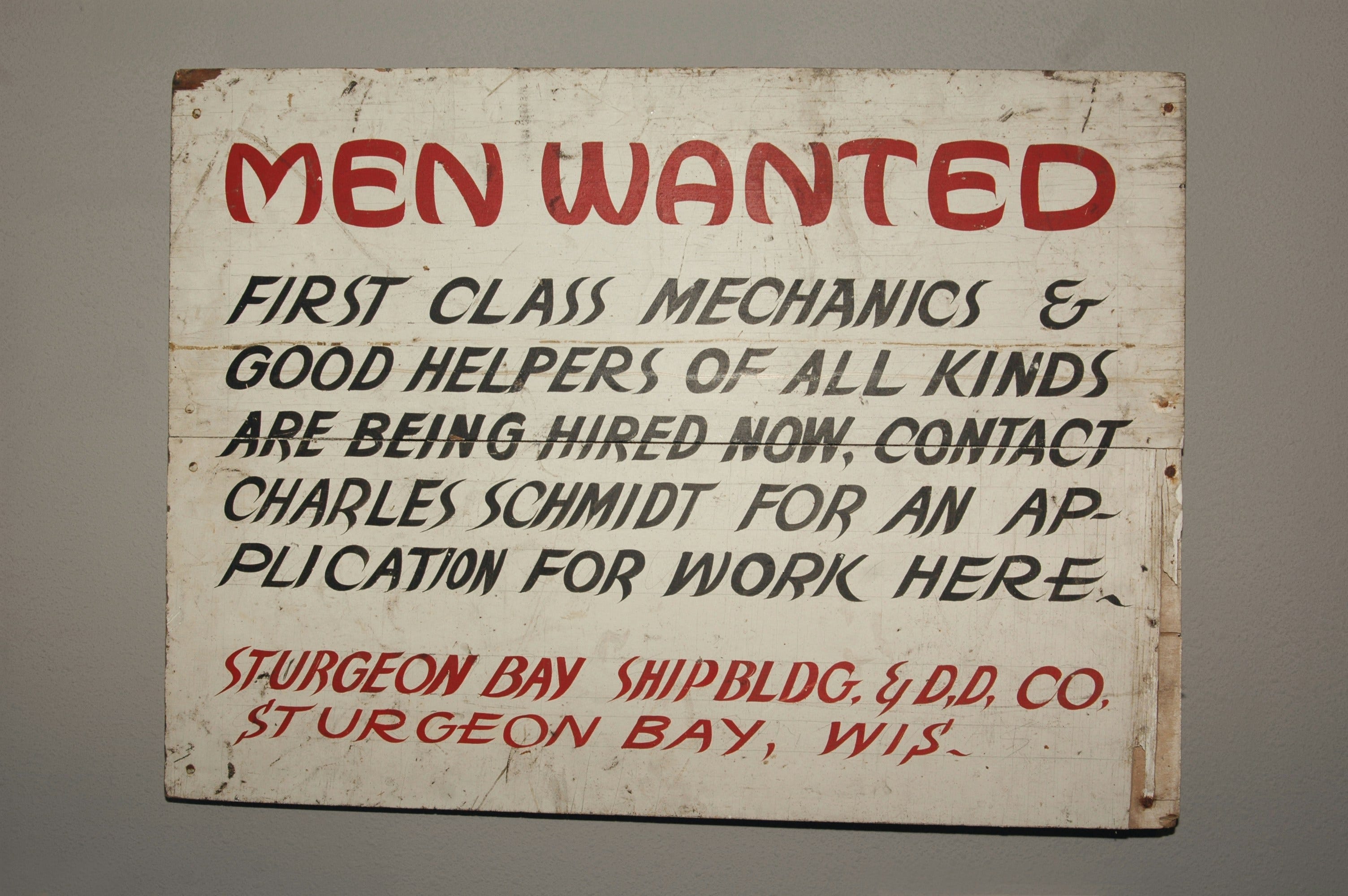
The age of the ‘gig economy’ promised flexibility. The allure of hopping jobs for greener pastures, better pay, or simply a change of scenery was a potent draw. But the advent of artificial intelligence (AI) is casting a long shadow over this once-cherished freedom.
We're hurtling towards a future where job security isn't just about performance; it's about skillset, industry, and, crucially, adaptability. AI is rewriting the rules of employment. Its relentless march is creating a stark dichotomy in the job market: a polarization between those who will thrive and those who will be displaced.
The casualties are predictable. Roles that involve routine tasks, data entry, or customer service – the backbone of many industries – are increasingly within AI's grasp. The ‘medium-skilled’ worker, once a mainstay of the workforce, is now in the crosshairs. For example, the prospect of an AI-powered chatbot handling customer queries or a robot manning the assembly line is no longer science fiction.
In contrast, those at the extreme ends of the skill spectrum appear more secure. The highly skilled – engineers, data scientists, AI developers – are in high demand to build and manage these very systems. At the other end, trade professionals like plumbers or electricians, whose work requires physical dexterity and problem-solving in unpredictable environments, remain relatively insulated.
This coming polarization because of AI is a double-edged sword. While it creates opportunities for a new wave of tech-savvy professionals, it also widens the gap between the haves and have-nots. The ability to quickly reskill and upskill will be paramount. Lifelong learning, once a buzzword, is now a survival imperative.
The days of carefree job-hopping might be numbered. The future belongs to those who can not only adapt to AI but leverage it. It’s a stark reality check, but it's also a call to action. Governments, industries, and individuals must work in tandem to bridge the digital divide and ensure that everyone has a stake in the AI future.
Otherwise, we risk a society sharply divided by technological haves and have-nots, where the dream of upward mobility is replaced by the fear of obsolescence.
In Today’s Newsletter:
AI Set to Disrupt 92% of Tech and Communications Roles
AI Puts 2-5% of Latin American Jobs at Risk
AI Will Create Jobs, Not Eliminate Them: India’s Labor Minister
Surge in AI Skills Demand as Job Market Heats Up, LinkedIn Reports
Over Half of Gen-Z Job Seekers in US Fear AI Job Replacement: Study
Futureproof Your Career: Train for Jobs That AI Can't Replace
AI to End Casual Job-Hopping, Experts Warn
AI Advances Threaten Job Security in the Gaming Industry, New Investigation
Tech Layoffs Surpass 100,000 in 2024, Continuing Downward Trend
Survey Reveals Disparity Between Bosses and Workers on AI's Impact on Productivity
Exploring AI's Impact: New Job Opportunities and the Future of the Workforce
Machines and Ethics
Microsoft Urges US Government to Enact Law Against Deepfakes
Growing Need for Ethical AI
Experts Warn of Ethical Risks in Southeast Asia’s Rapid Adoption of AI
American Bar Association Issues First Formal Guidance on Ethics for Lawyers Using AI
UAE Unveils AI Charter to Advance National Strategy and Set Global Standards
EU Act is Effective from Aug. 1, 2024
China’s AI Patents Surge to 378,000, Outpacing Global Growth Rate
Gartner: 30% of Generative AI Projects Will Fail Post-PoC by 2025 Due to Data and Cost Issues…
….plus, “Top Picks” and more.


Thanks for reading “AI For Real”. There are two versions of this newsletter - Free and Paid. If you press the “Subscribe” tab, it will get you your free subscription. But that will fetch you the bare basics. To grab the entire bundle that comes with this newsletter, it would be better if you become a Paid subscriber. That will fetch you an awesome experience, as spelled out here.
Thanks for reading AI For Real! Subscribe for free to receive new posts and support my work.
If I’ve convinced you to go in for the Paid version, click here.
NEW: You can search this newsletter’s website using our AI-powered chatbot. Search for answers to questions on AI and employment. Go ahead. Try it!

AI Set to Disrupt 92% of Tech and Communications Roles, Industry Report Reveals
Artificial intelligence will disrupt 92% of roles in the technology and communications sector, according to an industry-led forecast shared with Bloomberg Government. The report features insights from technology giants like Cisco Systems Inc., Google (a subsidiary of Alphabet Inc.), Intel Corp., and SAP SE. It provides a detailed analysis of how AI will impact 47 common positions within the industry. The study indicates that software, cloud, and product design engineers will experience the most significant changes in their daily tasks, while IT technicians and managers will see the least amount of disruption.
Source: Bloomberglaw.com
AI Puts 2-5% of Latin American Jobs at Risk, Women and Young Workers Most Vulnerable
Between 2% and 5% of jobs in Latin America and the Caribbean are at risk of full automation due to artificial intelligence, according to a report by the International Labor Organization and the World Bank.
Source: channelnewsasia.com
AI Will Create Jobs, Not Eliminate Them, India’s Labor Minister Assures Parliament
India’s Labor Minister, Mansukh Mandaviya, addressed Parliament to reassure members that artificial intelligence will not lead to job losses in the country. He emphasized that the advancing AI technology will, in fact, generate new job opportunities, aligning with the government's initiatives to reduce unemployment. The minister said the introduction of past technologies, such as the Internet and computers, initially sparked fears of job losses but ultimately resulted in more employment opportunities. He assured that AI applications would produce similar positive outcomes.
Source: equitypandit.com
Surge in AI Skills Demand as Job Market Heats Up, LinkedIn Reports
The job market is becoming increasingly competitive, with a notable rise in individuals seeking new roles and a growing demand for AI-specific skills across various industries. However, there is a significant gap in AI proficiency among leaders, many of whom lack the confidence and skills to integrate AI into their companies. This has led to a surge in professionals wanting to acquire AI skills and they were coming to learn them on LinkedIn, according to Chief Product Officer Tomer Cohen.
LinkedIn is focusing on using AI to enhance the job seeker experience, optimize recruiter tools, and cultivate authentic professional conversations. This aligns with the growing trend of professionals seeking expertise and brands aiming to curate their audiences on the platform.
The platform has seen a substantial demand for AI-specific roles and a 160% increase in professionals learning AI skills.
Source: seattletimes.com
Message By Our Sponsor: New Age Content Services

Launched!!!! Our "Tech Tool Decode" Service.
Are you drowning in a sea of artificial intelligence tools, apps, GPTs, services and what not? Let "Tech Tool Decode" be your lifeboat!
Our expert consultants will help you evaluate the short-listed AI tool for you. What's more, they will even navigate the AI landscape and find the perfect tools for your business, if you wish. From chatbots to image generation, we’ve got you covered.
Also available for non-AI tools!
Over Half of Gen-Z Job Seekers in US Fear AI Job Replacement, Study Finds
More than half of prospective Gen-Z employees in the US worry about being replaced by artificial intelligence if they pursue office jobs, according to a recent study by the Edmonton-based business management platform Jobber. The concerns are well-founded — 44% of companies surveyed in a Resume Builder report last year indicated plans to lay off workers due to AI in 2024.
Source: inc.com
Futureproof Your Career: Train for Jobs That AI Can't Replace
Is AI really coming for our jobs? While some roles will inevitably become obsolete as technology advances, the good news is that there will always be jobs requiring a human touch. By training for these roles now, you can futureproof your career.
Source: express.co.uk
AI to End Casual Job-Hopping, Experts Warn
The days of casual job-hopping may be nearing an end as AI is set to make job transitions more difficult, especially in industries highly exposed to AI disruption, career experts told Business Insider. Customer service representatives, cashiers, office assistants, and production workers are particularly at risk.
Source: businessinsider.in
AI Advances Threaten Job Security in the Gaming Industry, New Investigation Reveals
Artificial intelligence has been rapidly transforming many industries, and its impact on the gaming industry is causing significant concern about job security. Video game developers are particularly troubled by AI's ability to generate images, including 2D animation, which is a cornerstone of their work.
AI tools like OpenAI's DALL-E and Vizcom have led to an increase in layoffs within the gaming industry. A new investigation highlights the direct impact these technologies are having on professionals who have built their careers in this field.
Source: blackenterprise.com
Tech Layoffs Surpass 100,000 in 2024, Continuing Downward Trend
Over 100,000 tech jobs across more than 360 companies have been cut in 2024 so far, with no signs of layoffs slowing down. This follows the 240,000 job cuts in 2023, as tech giants cite economic uncertainty and the rise of artificial intelligence as reasons for the reductions. After three decades of growth, a job with a tech giant may no longer guarantee a long and secure career.
Source: techopedia.com
Two New Segments

Starting from last week’s newsletter, I’ve introduced “Minds and Machines”, which will feature interviews with experts, scientists, psychologists, philosophers, and what may have you working in the field of artificial intelligence.

- Your story matters. Your innovation matters -
Do you want to be featured in “60 Seconds With AI Founders”? Are you an AI entrepreneur, startup founder, AI product builder, or the head of an AI non-profit? You can get your point of view across to the rest of the world.
Want to feature in this “Minds And Machines” or “ 60 Secs… segment? Contact me.
Survey Reveals Disparity Between Bosses and Workers on AI's Impact on Productivity
While bosses expect artificial intelligence software to boost productivity, workers believe it has the opposite effect, according to a survey by the Upwork Research Institute, part of the talent-finding platform Upwork.
The survey gathered responses from 2,500 workers across the US, UK, Australia, and Canada. Half of the respondents were C-suite executives, a quarter were full-time employees, and the remaining were freelancers. The respondents represented various age groups and genders, with all required to have completed high school and to use a computer for their work at least "sometimes."
Source: theregister.com
Exploring AI's Impact: New Job Opportunities and the Future of the Workforce
Artificial Intelligence has dramatically reshaped industries, generating a range of new job opportunities. By enhancing productivity and revolutionizing services, AI's influence on the job market is both profound and complex. This article examines the new roles created by AI and offers a glimpse into the future of the workforce shaped by this technology.
Source: technologyforyou.org
Machines and Ethics
The article discusses the emerging field of AI ethics, addressing concerns such as algorithmic bias, privacy implications, transparency, and the ethical dilemmas posed by autonomous systems.
It highlights examples of bias in AI systems, privacy issues related to AI technologies, and ethical considerations in the development of autonomous vehicles and weapons systems. The text also mentions the efforts of organizations and governments in establishing ethical guidelines and regulatory frameworks for AI development. Additionally, it raises long-term existential questions about the potential risks of advanced AI systems to humanity.
Source: pymnts.com
Microsoft Urges US Government to Enact Law Against Deepfakes
IT giant Microsoft has urged the US Government to enact a comprehensive new law to combat the misuse of synthetic (AI) content, commonly known as "deepfakes."
In a detailed 42-page white paper released on July 30, 2024, titled "Protecting the Public from Abusive AI-Generated Content," Microsoft's Vice Chair and President Brad Smith emphasized that while current US federal fraud statutes could be revised and enhanced to address synthetic content, the most comprehensive solution would be to enact a new federal synthetic content fraud statute.
This statute should include both civil and criminal provisions, offering criminal penalties, civil seizure and forfeiture, and injunctive and other equitable relief, he added.
Growing Need for Ethical AI
The immense volume of data from various sources is driving significant advancements in artificial intelligence (AI). However, as AI technology evolves rapidly, it is essential to manage data ethically and responsibly.
Ensuring fairness in AI systems and safeguarding user privacy have become priorities for both non-profits and major tech companies like Google, Microsoft, and Meta. These organizations are actively addressing the ethical challenges associated with AI.
A major concern is that AI systems may perpetuate biases if they are not trained on high-quality data.
Source: entrepreneur.com
Experts Warn of Ethical Risks in Southeast Asia’s Rapid Adoption of AI
Southeast Asia’s growing enthusiasm for artificial intelligence is raising concerns among experts, who caution that widespread adoption could lead to significant ethical issues. Nuurrianti Jalli, an academic and media expert, has urged companies in the region to exercise caution when integrating AI into their business processes. Jalli warned that, if not implemented responsibly, automation in areas like talent recruitment and performance management could result in AI biases, particularly if ethical standards are neglected.
Source: peoplemattersglobal.com
American Bar Association Issues First Formal Guidance on Ethics for Lawyers Using AI
The American Bar Association cautions lawyers to consider ethical obligations when using generative artificial intelligence in their work, particularly in protecting client information and ensuring accuracy.
While AI tools can enhance efficiency in legal tasks, there are risks of generating inaccurate outputs and inadvertent disclosure of client information that lawyers must mitigate.
Source: reuters.com
UAE Unveils AI Charter to Advance National Strategy and Set Global Standards
The UAE’s Artificial Intelligence, Digital Economy, and Remote Work Applications Office has introduced the Charter for the Development and Use of Artificial Intelligence, aligning with the UAE Strategy for Artificial Intelligence. This initiative reflects the leadership’s vision to position the UAE as a global leader in AI innovation and application. The Charter aims to foster a supportive environment with top safety and privacy standards, enhancing public trust while establishing robust principles for advanced AI models and strengthening human-machine interactions.
Source: edgemiddleeast.com
EU Act is Effective from Aug. 1, 2024
The AI Act will become effective on August 1, 2024 in the EU. The goal of the AI Act is to provide a legal framework for the development, market placement, and use of AI systems while addressing potential risks. It applies to various parties involved in AI systems and categorizes AI systems into prohibited practices, high-risk systems, transparent systems, and general-purpose AI models.
Source: lexology.com

China’s AI Patents Surge to 378,000, Outpacing Global Growth Rate
By the end of 2023, China had accumulated 378,000 artificial intelligence patents, according to Beijing-based state news agency Xinhua. Ge Shu, deputy commissioner of the China National Intellectual Property Administration (CNIPA), reported at a press conference on January 16 that China's growth rate in AI patents is 1.4 times higher than the global average. The number of AI invention patents in the country increased by 40% year-over-year.
Source: aa.com.tr
Gartner: 30% of Generative AI Projects Will Fail Post-PoC by 2025 Due to Data and Cost Issues
According to Gartner, Inc., at least 30% of generative AI (gen-AI) projects will be abandoned after the proof of concept stage by the end of 2025. Key reasons include poor data quality, insufficient risk controls, rising costs, and unclear business value.
Speaking at the Gartner Data & Analytics Summit in Sydney, Rita Sallam, Distinguished VP Analyst at Gartner, noted that executives are growing impatient for returns on GenAI investments, as organizations struggle to demonstrate and realize value. The financial burden of developing and deploying GenAI models is becoming increasingly significant, with challenges in justifying the investment for productivity gains that are difficult to directly translate into financial benefits.
Source: gartner.com

…where every week, I shortlist interesting articles, posts, podcasts, and videos on AI.
Is it Going to be a Case of Garbage In and Garbage Out?
Why I suggest my readers go through this article is because it talks of the risk of model collapse in generative AI systems, particularly large language models (LLMs), which seems a distinct possibility. It highlights the increasing amount of text being generated by AI and the potential problems associated with it, such as biases, low quality, and difficulty in identification.
For those who don’t know this: model collapse is described as a degradation of performance caused by training with AI-generated data, leading to early and late collapse stages. The article presents challenges and limitations in addressing model collapse, such as the ineffectiveness of watermarks.
Hollywood and Gen-AI
The last time perhaps that Hollywood was in such turmoil was when they tried to weed out so-called communists from within the society in the USA in the ‘70s.
Film editors and other Hollywood professionals are today extremely perturbed by the onslaught of artificial intelligence, a tech that haseither already begun to displace the artists and technicians, or could soon do so.
These workers are members of the International Alliance of Theatrical Stage Employees (IATSE), a labor union that can negotiate AI protections for them, similar to how actors’ and writers’ unions addressed AI issues during last year’s strikes.
This article in the NYT gives excellent insights into the way in which AI is impacting film-making in the US.